
An exploration of the physical world and its power to bring people together around a shared story
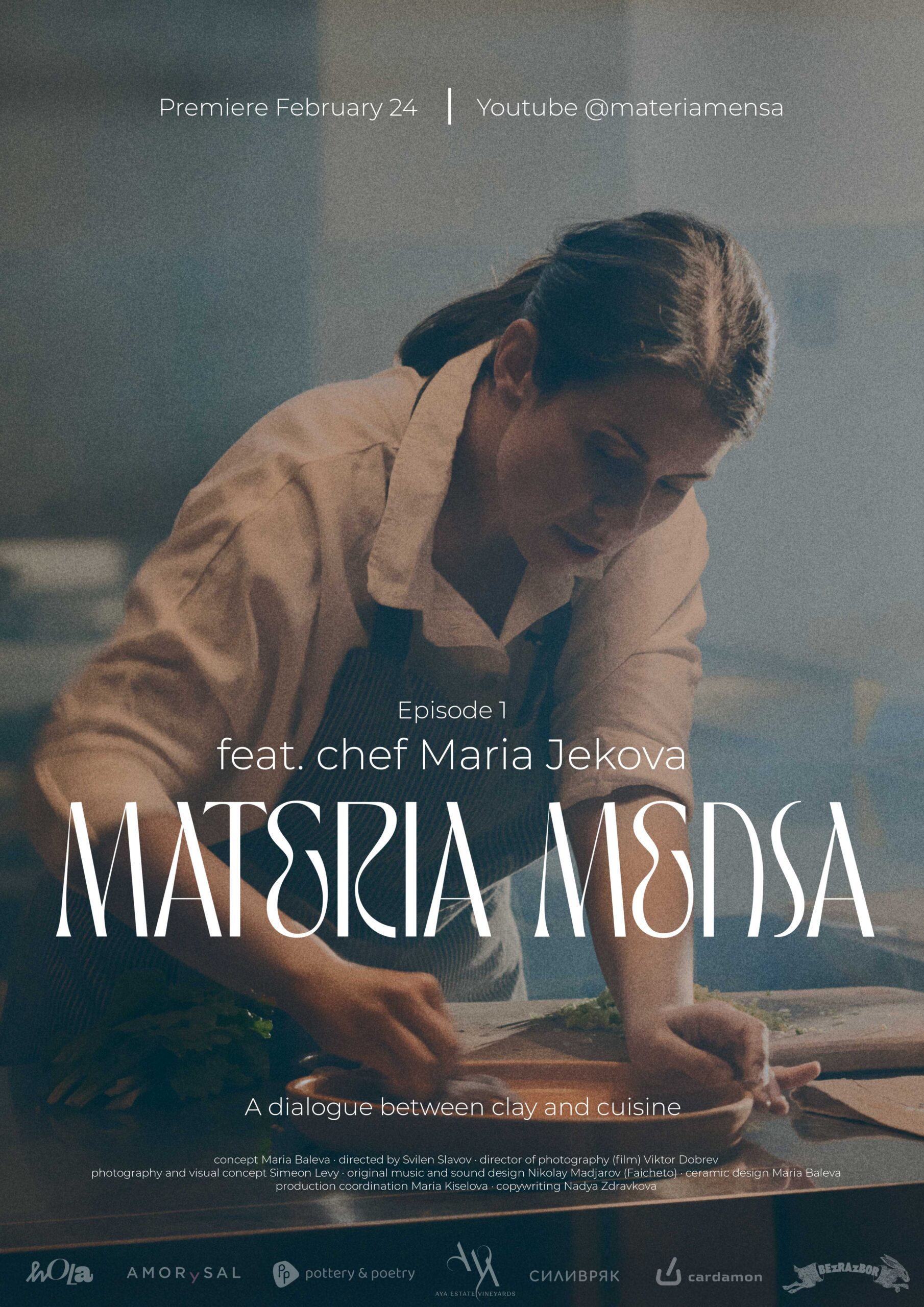
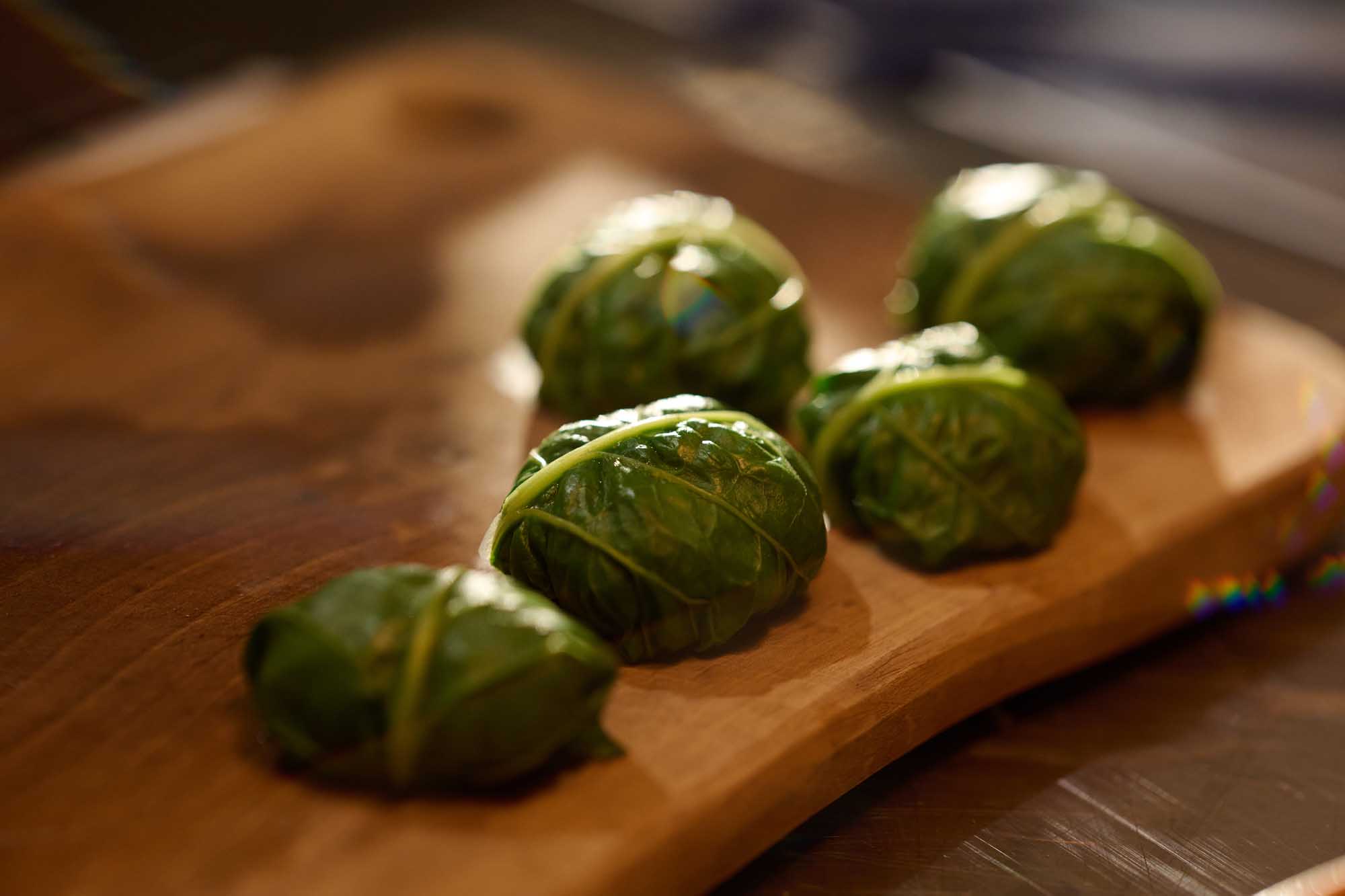
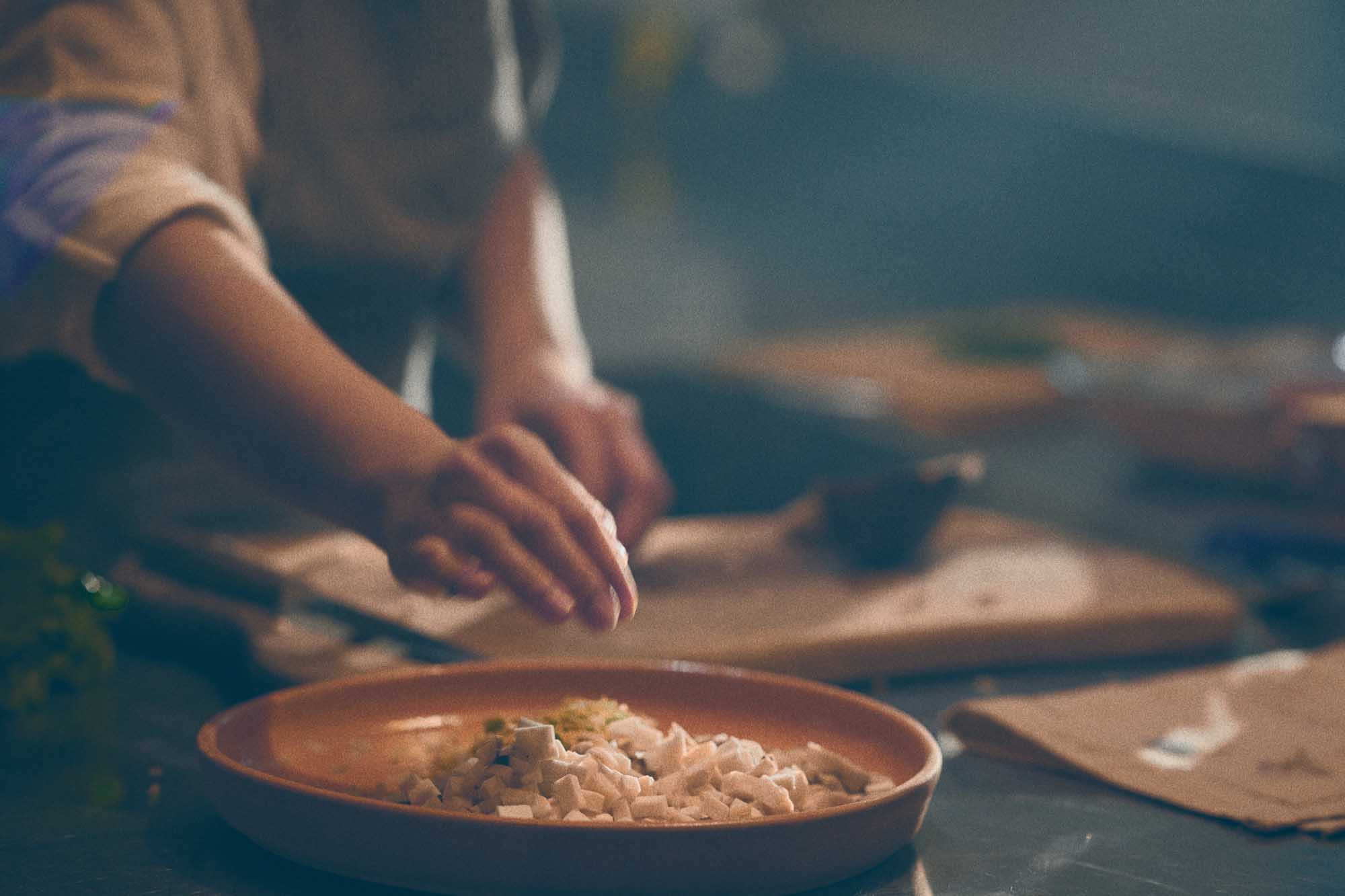
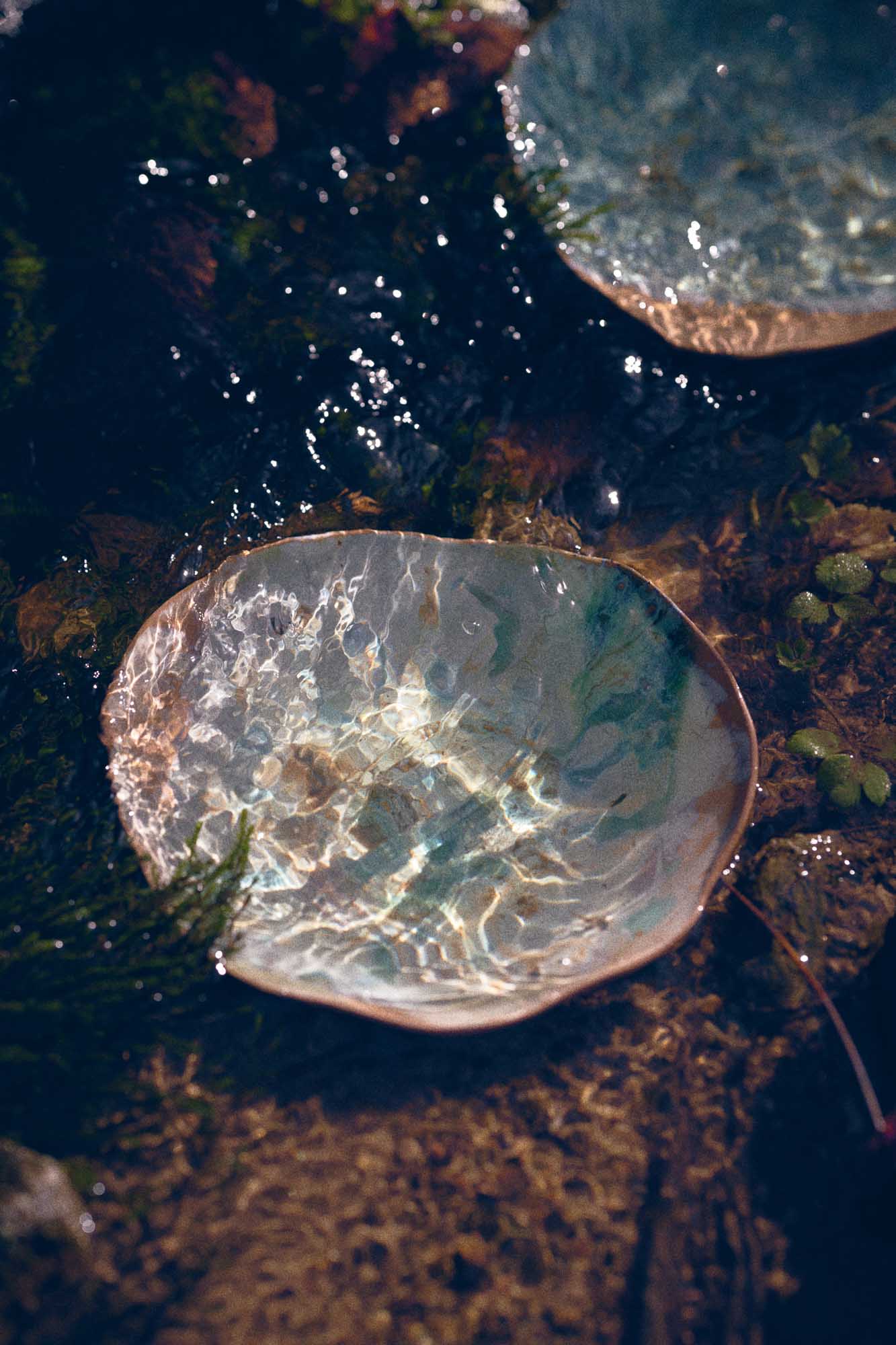
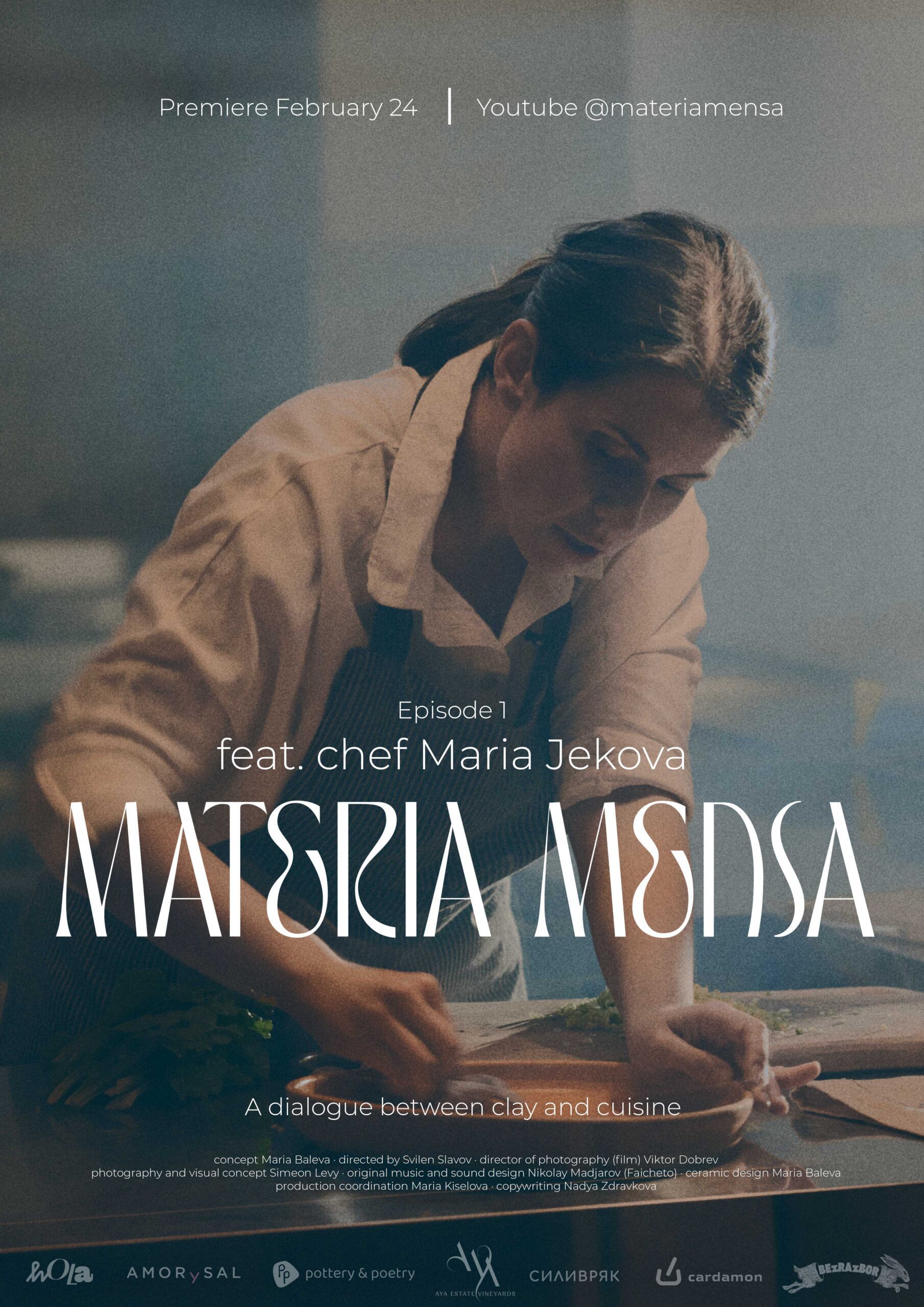
It took us about nine months from the first ideas to the premiere of Materia Mensa – a new audiovisual format that follows, in parallel, the creation of an original dish and the vessel in which it will be served, like two voices in a single conversation.
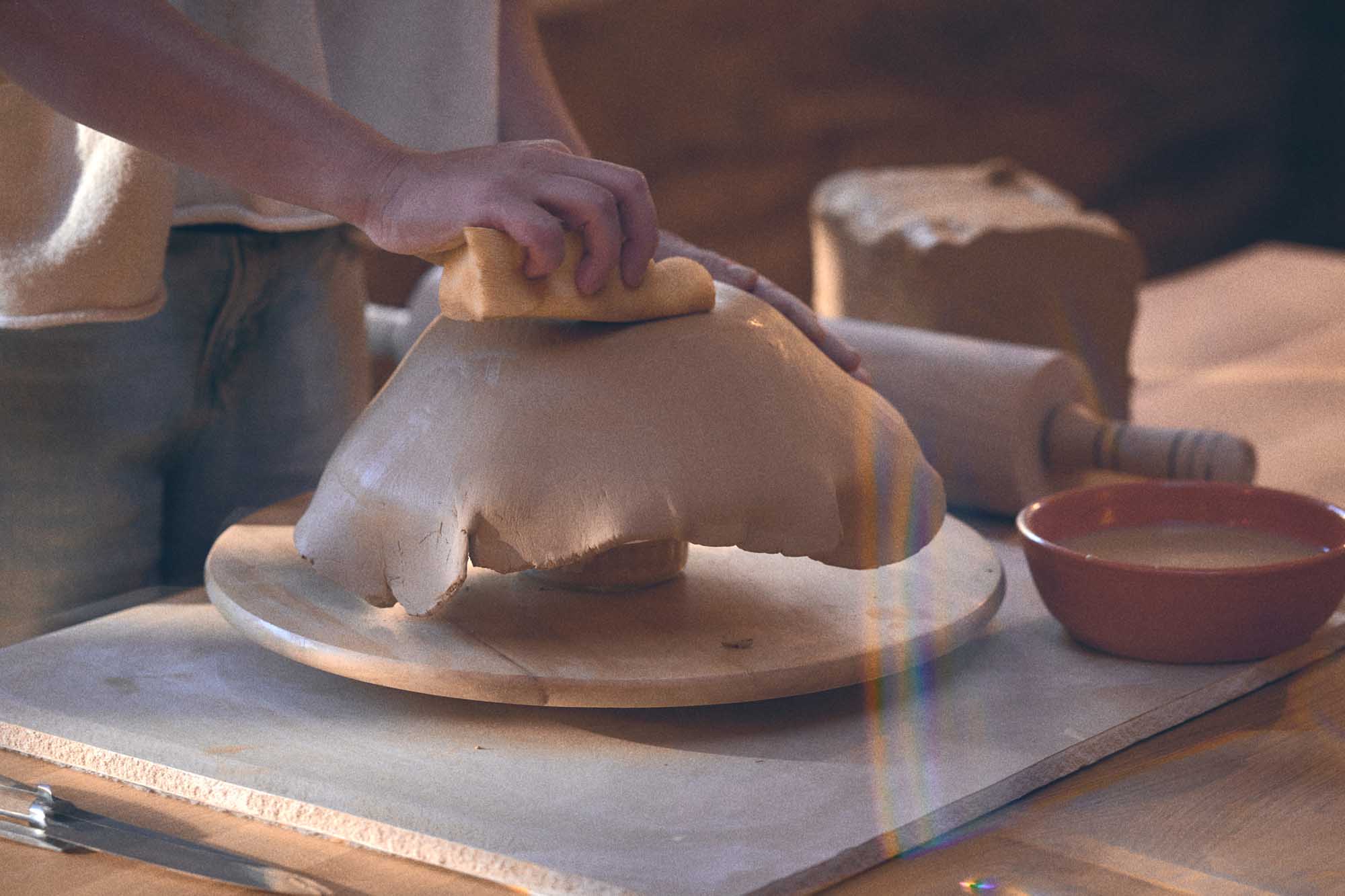
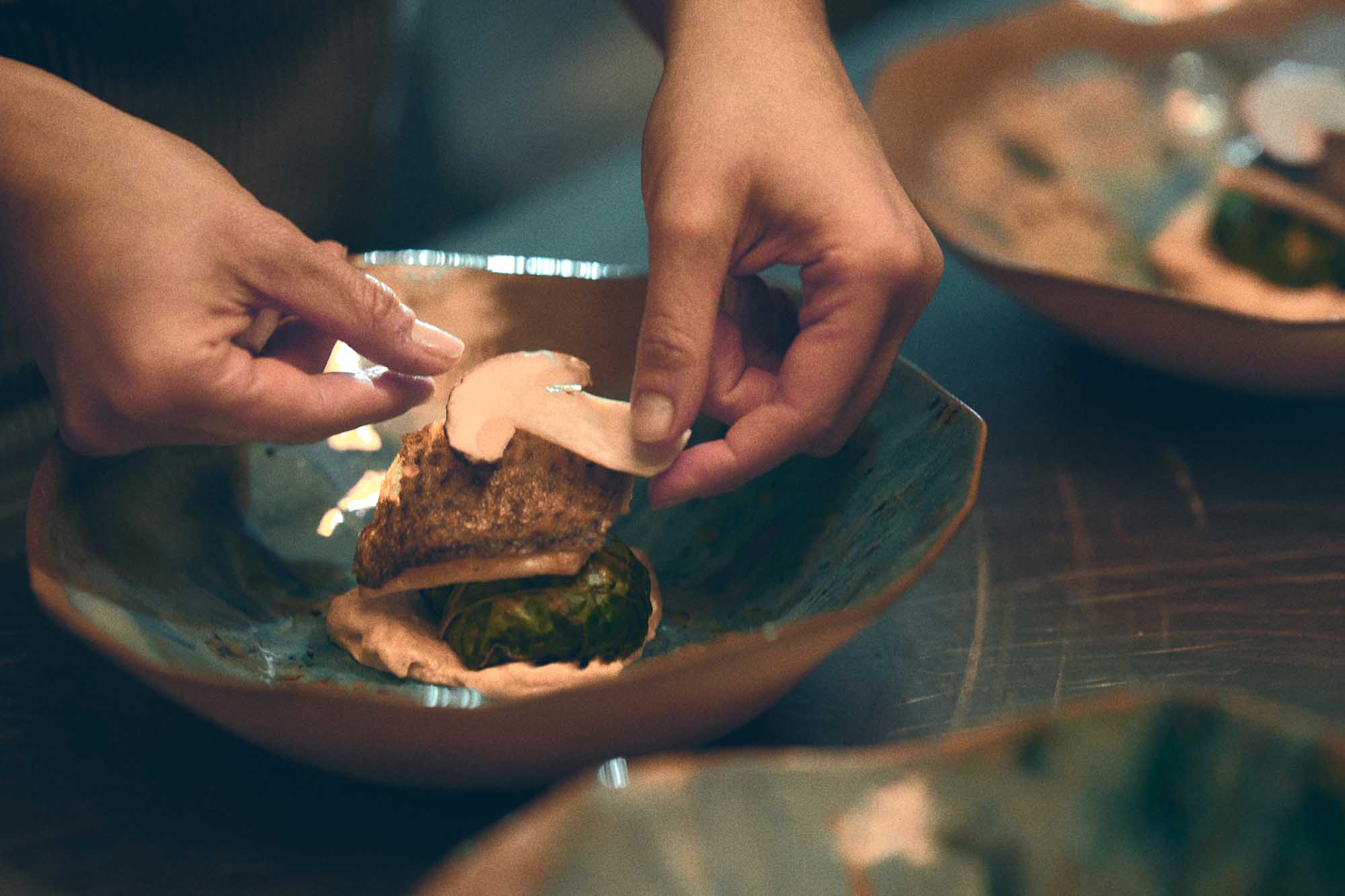
Each episode brings together a chef and a master ceramicist, with the camera following both from the very beginning: from raw clay and fresh ingredients to the finished table. Materia Mensa is not a cooking show, nor a documentary about craft.
The discovery and mastery of fire was one of the most transformative moments in human evolution, occurring hundreds of thousands of years ago. That turning point changed the biology, behavior, diet, and social life of early humans — and it is from that moment that these two most ancient crafts were born: ceramics and the preparation of food. In truth, they have never existed without each other.
Where the idea came from
The idea belongs to architect Maria Baleva – a designer with experience in creating restaurants and hospitality spaces, and the founder of Pottery & Poetry.
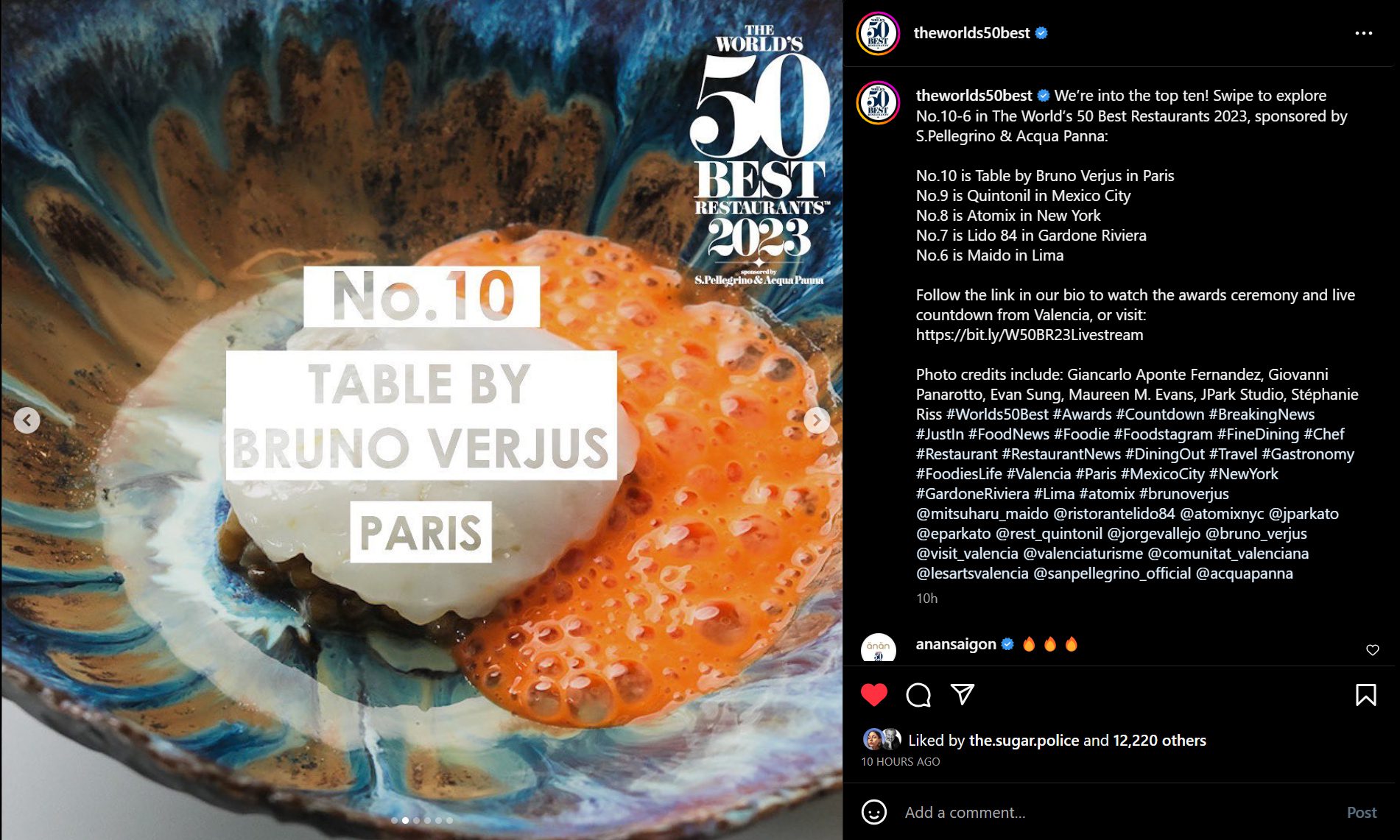
Three years ago, chef Bruno Verjus, whose restaurant Table in Paris ranks eighth in The World’s 50 Best Restaurants for 2025, reached out to her after seeing one of her pieces on Instagram. That encounter led to a collaboration – a special vessel for his interpretation of donburi – and to the question that would eventually shape the entire project: what would happen if the process of making, both the dish and the plate it is served on, were filmed and told simultaneously?
The team
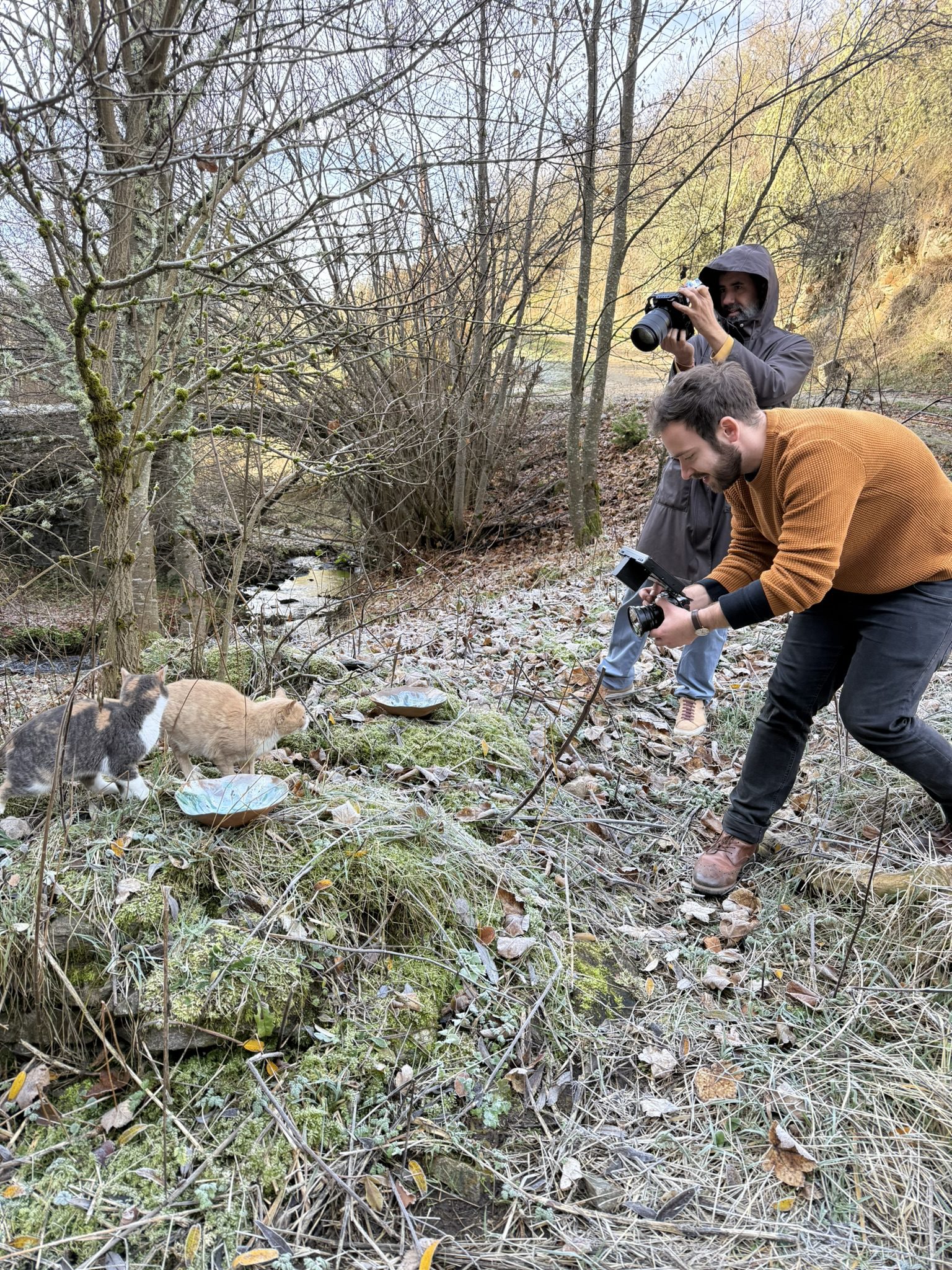
Maria shared the idea with photographer and cinematographer Simeon Levi, founder of Cardamon Studio, a studio for visual storytelling in the culinary world with work spanning some of the most recognizable international brands. They were joined by Svilen Slavov and Viktor Dobrev of BEzRAzBOR, a director and cinematographer who have worked together for over a decade on films, music videos, and advertising campaigns, their shared signature evident in the way rhythm and precision carry equal weight.
The music and sound design are the work of Nikolay Madjarov – Faycheto – known to many as half of Tibetan Hearts and as a composer whose music has been performed from the Berlin Philharmonic to the Ancient Theatre in Plovdiv. But Madjarov brings something beyond music to the project: he is also a devoted cook and co-founder of Amor y Sal Food Studio, a project exploring the cultural layers of cuisine and the way recipes hold memory. A person in whom these two vocations have long ceased to contradict each other is perhaps the most fitting symbol of what Materia Mensa is trying to capture.
Episode 1
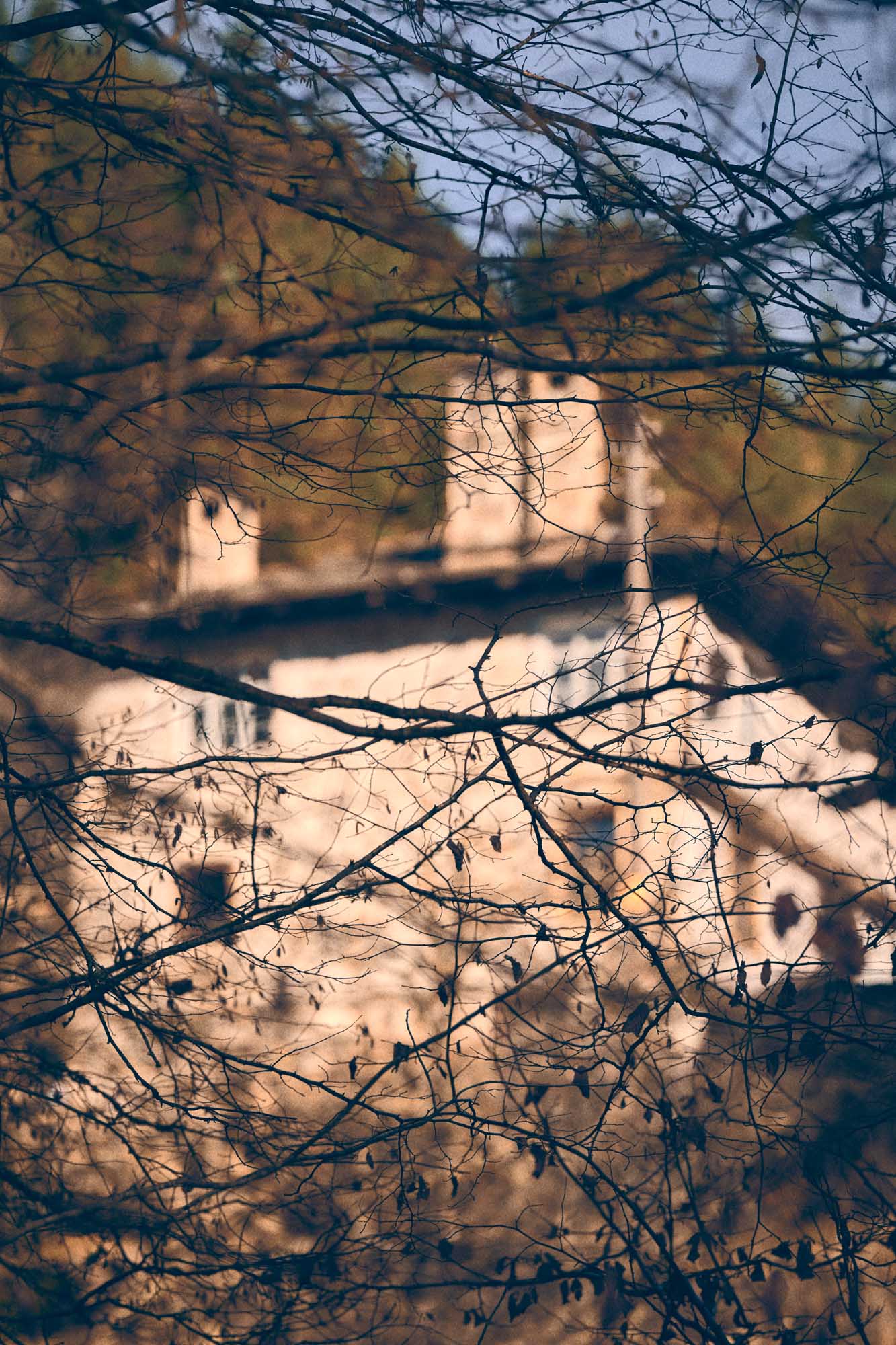
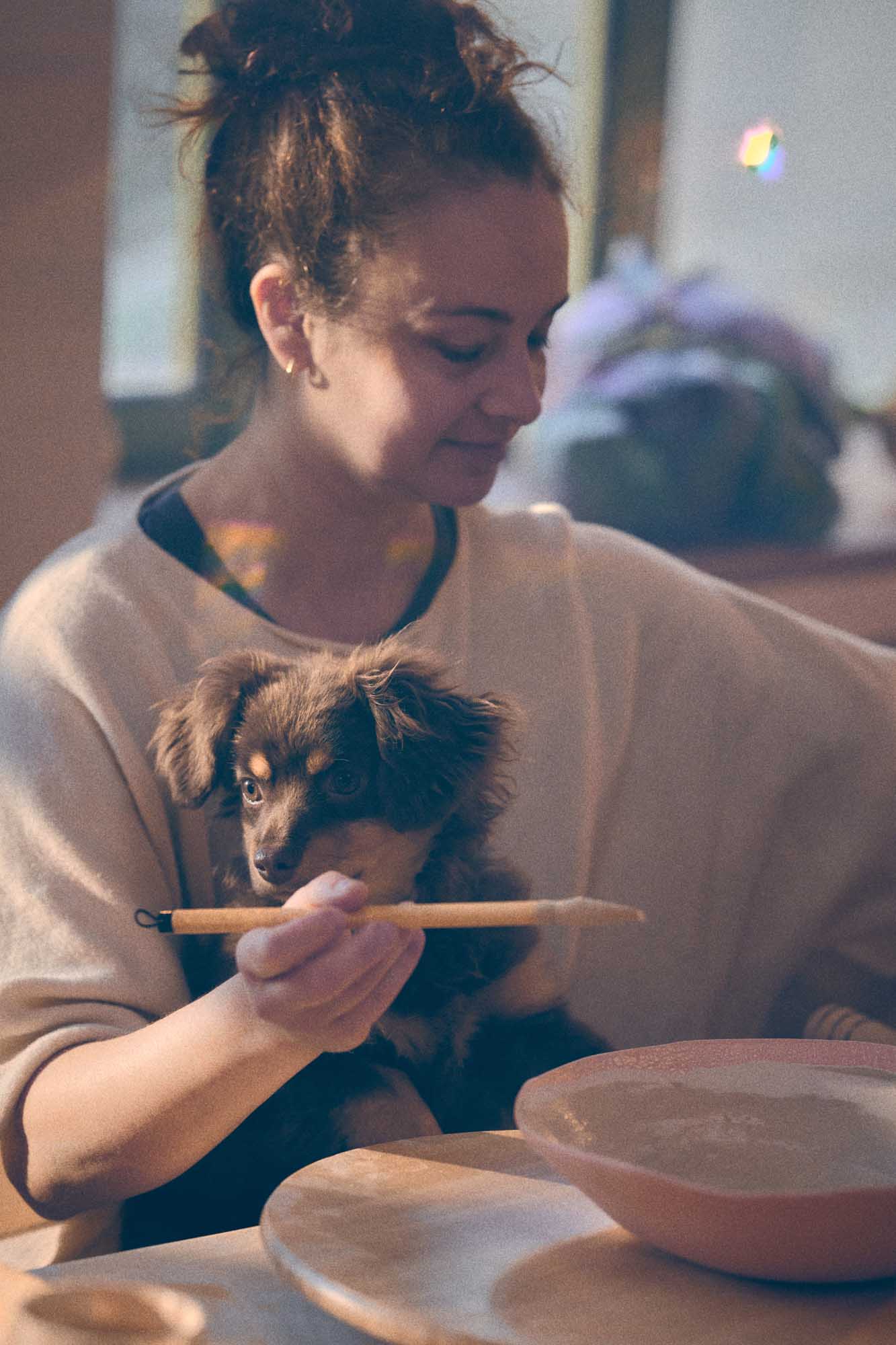
For the first episode, the team traveled to Varbovo – a small village in the Rhodope Mountains that most maps struggle to find. There, chef Maria Zhekova cooks in her own guesthouse Silivryak, far from city kitchens and the expectations that inevitably come with them. The episode is built around a dish of Balkan trout, while Maria Baleva works in parallel on an original piece made specifically for that recipe and that place. Two processes, two pairs of hands, one result on the table.
The first episode is out on 24 February on YouTube and Instagram @materiamensa.
Beyond the screen
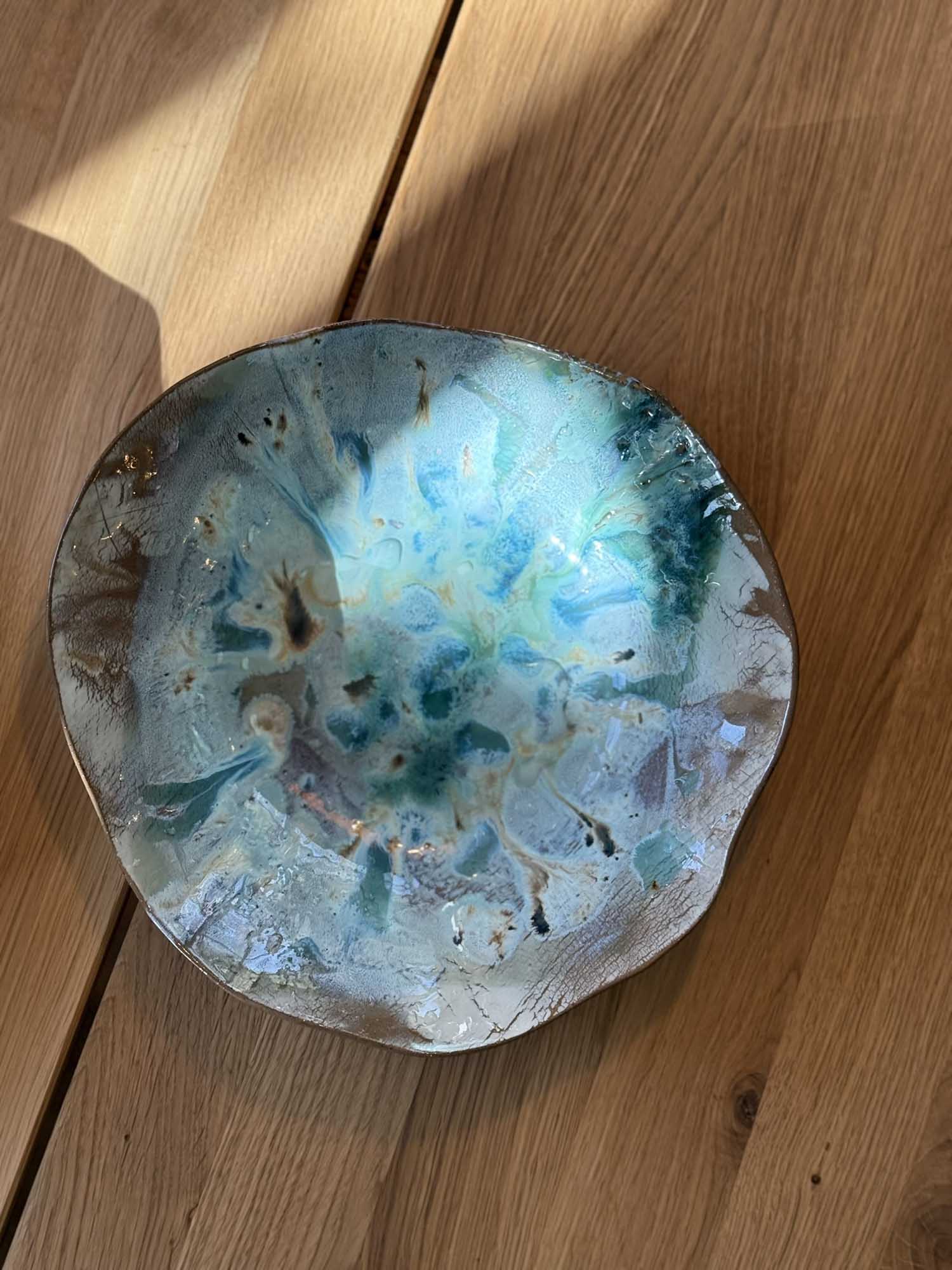
After each episode, there will be a dinner for a small group of guests, where the collaboration can be seen, touched, and tasted.
Because Materia Mensa, in the end, is not only for watching.
Support the project